
Nanjing University of Chinese Medicine (NJUCM) held an unveiling ceremony for its Otago Smart Health College on 26 October on Taizhou Campus. The ceremony marked the official launch of the college, jointly established with the University of Otago, New Zealand.
Chaired by Prof. Hu Lihong, NJUCM Vice-President, the ceremony brought together university leaders, government officials, international guests, faculty and students. Attendees included Prof. Cheng Haibo, NJUCM President; Mr. Grant Robertson, Vice-Chancellor of the University of Otago and former Deputy Prime Minister and Minister of Finance of New Zealand; Ms. Zhou Xiaohui, Vice-Mayor of Taizhou; Ms. Ru Yixian, Deputy Director of the Division of Foreign Cooperation and Exchange, Jiangsu Provincial Department of Education; Prof. Jessica Palmer, Deputy Vice-Chancellor of the University of Otago; Prof. Keith Sharp, Vice-President of the Australia Institute of Future Education; and Mr. Wan Yongliang, Director of the Taizhou Municipal Education Bureau.
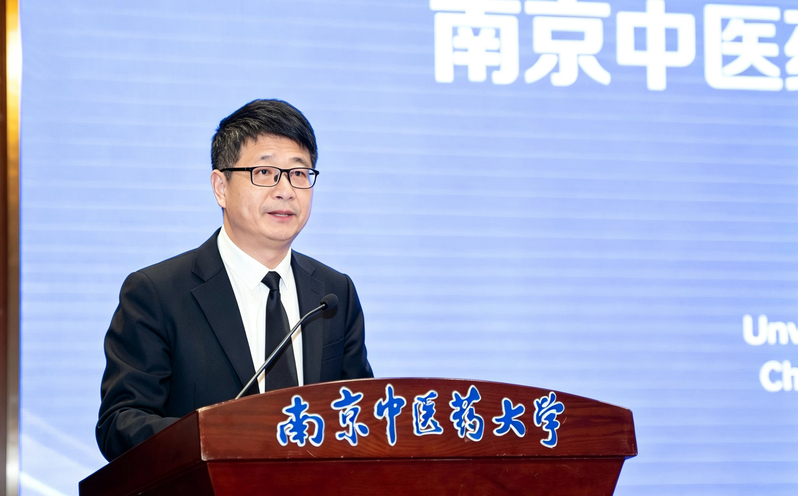
Prof. Hu Lihong chairs the ceremony
In his address, Prof. Cheng Haibo described the establishment of the college as an important step in advancing the priorities set out at China's National Health Conference, promoting collaboration between Chinese and Western medicine, contributing to a global community of health for all, and strengthening health cooperation under the Belt and Road Initiative. He noted that the partnership brings the holistic perspective of traditional Chinese medicine (TCM) into dialogue with modern health sciences, connecting medicine with engineering and Chinese medicine with Western medicine.
Prof. Cheng Haibo outlined three priorities for the college's development. First, he called for a strong foundation in educational quality, drawing on the academic and teaching strengths of both universities and ensuring rigorous standards throughout the educational process. Second, he encouraged interdisciplinary innovation centred on smart health, bringing TCM together with artificial intelligence and big data technologies while strengthening industry–education collaboration to develop a distinctive approach to talent development. Third, he urged the college to serve as a platform for wider cooperation in joint research, faculty and student exchanges, and the translation of research into practical applications, further strengthening educational exchanges between China and New Zealand and ties between their sister cities.
Prof. Cheng Haibo pledged the university's strong support in staffing, teaching resources and facilities. He expressed the hope that all partners would work together to develop the college into a high-quality institution that prepares smart health professionals with a global outlook, practical industry skills, and knowledge spanning Chinese and Western medicine.
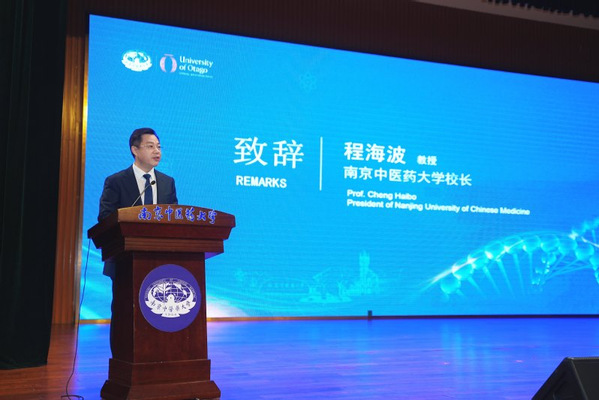
Prof. Cheng Haibo delivers an address
Mr. Grant Robertson described the partnership as a significant milestone in the University of Otago's engagement with China. In response to emerging global health challenges, he said, the college would focus on interdisciplinary education while facilitating faculty and student exchanges and joint research. He emphasized the shared responsibility of both universities to uphold academic standards and ensure educational quality.
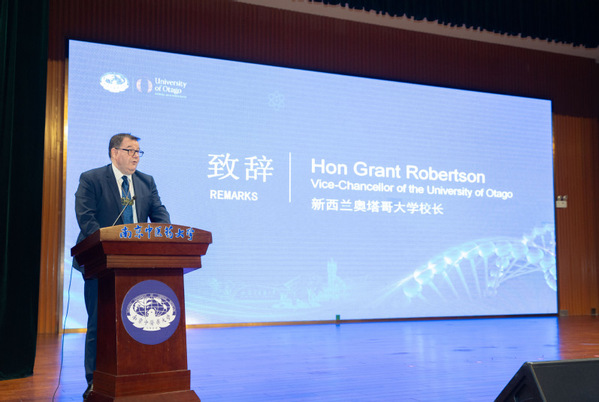
Mr. Grant Robertson delivers an address
Prof. Keith Sharp praised NJUCM's strong academic tradition and expressed his hope that the institute would serve as a bridge between the Chinese and New Zealand partners. He looked forward to facilitating access to high-calibre faculty and research resources and supporting the joint development of highly skilled smart health professionals with an international outlook.
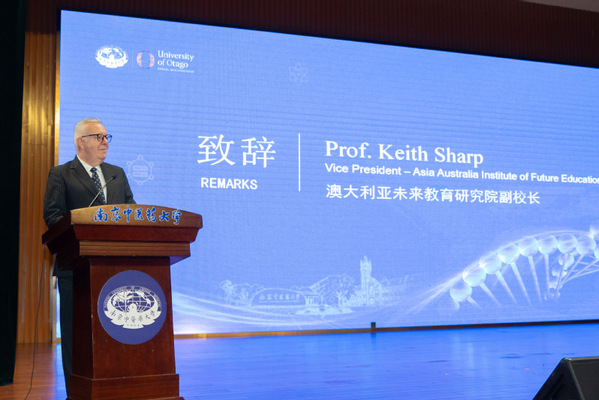
Prof. Keith Sharp delivers an address
Speaking on behalf of the Jiangsu Provincial Department of Education, Ms. Ru Yixian congratulated the partners on the establishment of the college. She highlighted Jiangsu's progress in Chinese–foreign cooperative education and encouraged the college to place students' ethical and personal development at the heart of its mission. By bringing together high-quality educational resources from both countries, she said, the college could become a showcase for China–New Zealand educational cooperation and provide a model for other institutions.
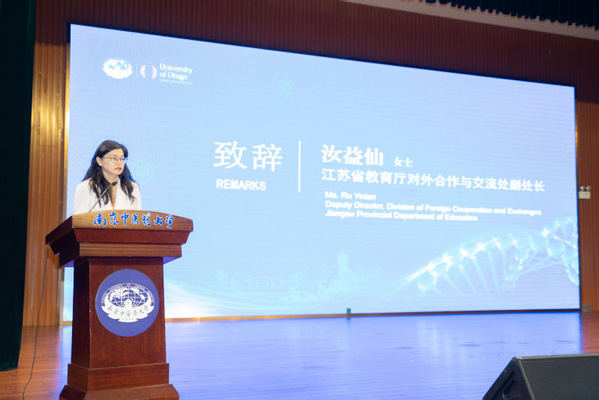
Ms. Ru Yixian delivers an address
Mr. Zhang Hui, China Affairs Adviser to the Dunedin City Council, conveyed congratulations on behalf of the Mayor and the city council. He highlighted Dunedin's character as a university city and its longstanding historical ties with China, reaffirming the council's continued support for the University of Otago's cooperation with Chinese partners. As an alumnus, he warmly invited faculty and students to study and experience life in Dunedin and expressed his best wishes for lasting friendship between the two countries.
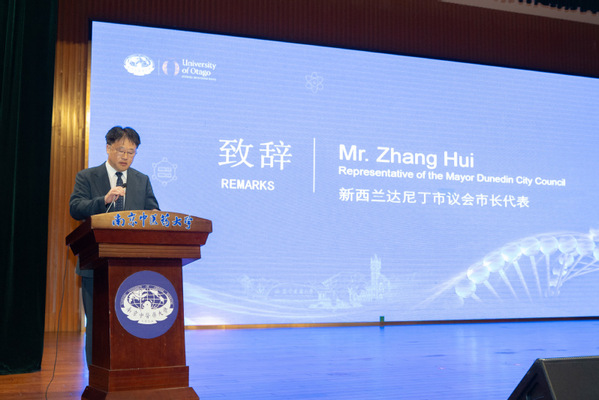
Mr. Zhang Hui delivers an address
Amid warm applause, leaders and guests from China and abroad jointly unveiled the college's nameplate, marking its official inauguration.
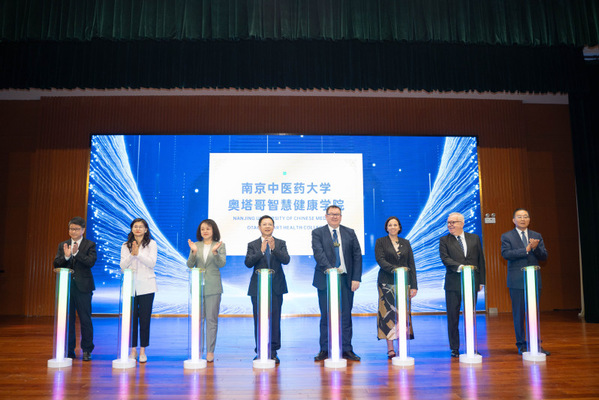
Leaders and guests jointly unveil the college's nameplate
The ceremony also featured the launch of the college's emblem and uniform, whose designs bring together elements of TCM culture and an international outlook.
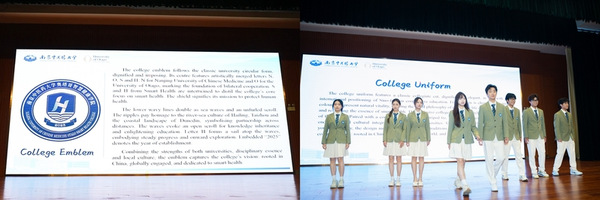
The college's emblem and uniform are unveiled
Faculty and student representatives then shared their commitment to teaching and aspirations for learning. Guests exchanged commemorative gifts as a symbol of friendship and cooperation, and the ceremony concluded with a group photograph.
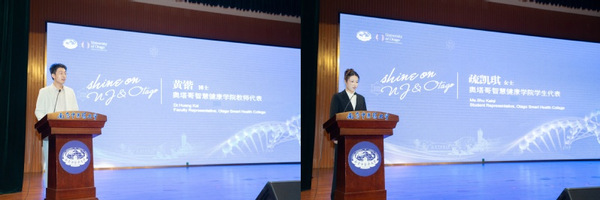
Faculty and student representatives address the ceremony
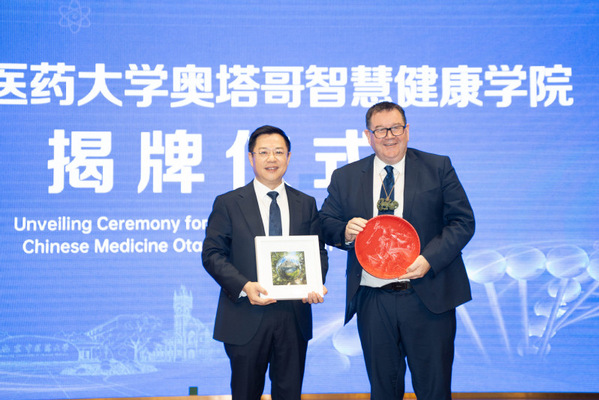
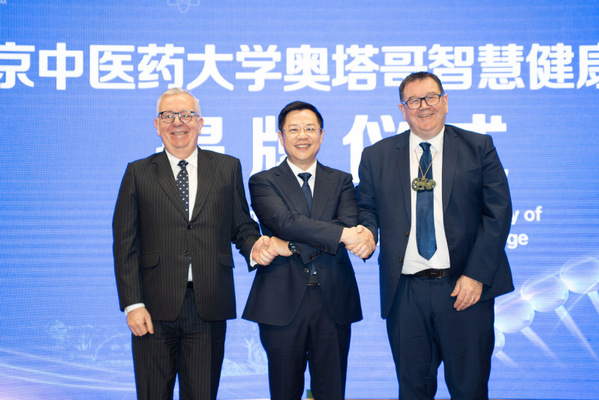
Guests exchange commemorative gifts
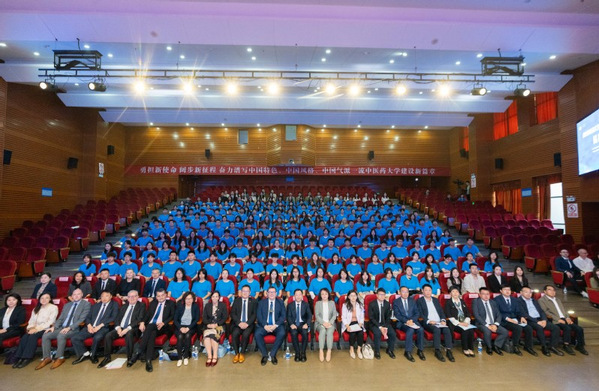
Group photograph
A dedicated seminar on the college's development was held alongside the inauguration ceremony. Participants from China and abroad discussed key priorities for the college's establishment and future growth and explored measures to advance its development.
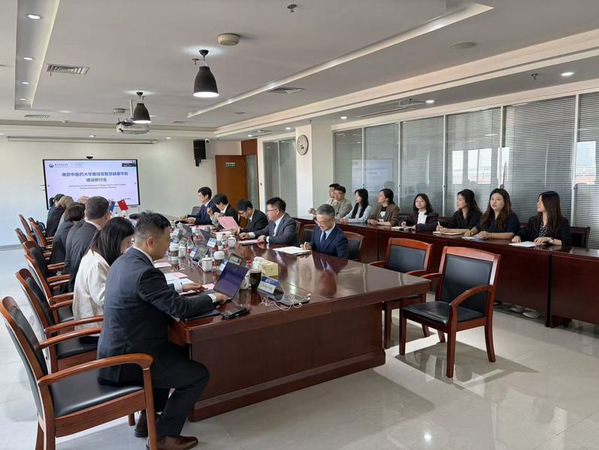
A dedicated seminar
With its roots in Taizhou and a global outlook, the college will connect Chinese and Western medicine, integrate medicine and engineering, strengthen industry–education collaboration, and advance research and innovation. It aims to become a leading institution for Chinese–foreign cooperative education, contributing to the internationalization of TCM and the Healthy China initiative.
About
Admission
Academics
Research
Distinguished Scholars
Overseas Alumni
Global
Campus Life
Giving
Nanjing University of Chinese Medicine (NJUCM) held an unveiling ceremony for its Otago Smart Health College on 26 October on Taizhou Campus. The ceremony marked the official launch of the college, jointly established with the University of Otago, New Zealand.
Chaired by Prof. Hu Lihong, NJUCM Vice-President, the ceremony brought together university leaders, government officials, international guests, faculty and students. Attendees included Prof. Cheng Haibo, NJUCM President; Mr. Grant Robertson, Vice-Chancellor of the University of Otago and former Deputy Prime Minister and Minister of Finance of New Zealand; Ms. Zhou Xiaohui, Vice-Mayor of Taizhou; Ms. Ru Yixian, Deputy Director of the Division of Foreign Cooperation and Exchange, Jiangsu Provincial Department of Education; Prof. Jessica Palmer, Deputy Vice-Chancellor of the University of Otago; Prof. Keith Sharp, Vice-President of the Australia Institute of Future Education; and Mr. Wan Yongliang, Director of the Taizhou Municipal Education Bureau.

Prof. Hu Lihong chairs the ceremony
In his address, Prof. Cheng Haibo described the establishment of the college as an important step in advancing the priorities set out at China's National Health Conference, promoting collaboration between Chinese and Western medicine, contributing to a global community of health for all, and strengthening health cooperation under the Belt and Road Initiative. He noted that the partnership brings the holistic perspective of traditional Chinese medicine (TCM) into dialogue with modern health sciences, connecting medicine with engineering and Chinese medicine with Western medicine.
Prof. Cheng Haibo outlined three priorities for the college's development. First, he called for a strong foundation in educational quality, drawing on the academic and teaching strengths of both universities and ensuring rigorous standards throughout the educational process. Second, he encouraged interdisciplinary innovation centred on smart health, bringing TCM together with artificial intelligence and big data technologies while strengthening industry–education collaboration to develop a distinctive approach to talent development. Third, he urged the college to serve as a platform for wider cooperation in joint research, faculty and student exchanges, and the translation of research into practical applications, further strengthening educational exchanges between China and New Zealand and ties between their sister cities.
Prof. Cheng Haibo pledged the university's strong support in staffing, teaching resources and facilities. He expressed the hope that all partners would work together to develop the college into a high-quality institution that prepares smart health professionals with a global outlook, practical industry skills, and knowledge spanning Chinese and Western medicine.

Prof. Cheng Haibo delivers an address
Mr. Grant Robertson described the partnership as a significant milestone in the University of Otago's engagement with China. In response to emerging global health challenges, he said, the college would focus on interdisciplinary education while facilitating faculty and student exchanges and joint research. He emphasized the shared responsibility of both universities to uphold academic standards and ensure educational quality.

Mr. Grant Robertson delivers an address
Prof. Keith Sharp praised NJUCM's strong academic tradition and expressed his hope that the institute would serve as a bridge between the Chinese and New Zealand partners. He looked forward to facilitating access to high-calibre faculty and research resources and supporting the joint development of highly skilled smart health professionals with an international outlook.

Prof. Keith Sharp delivers an address
Speaking on behalf of the Jiangsu Provincial Department of Education, Ms. Ru Yixian congratulated the partners on the establishment of the college. She highlighted Jiangsu's progress in Chinese–foreign cooperative education and encouraged the college to place students' ethical and personal development at the heart of its mission. By bringing together high-quality educational resources from both countries, she said, the college could become a showcase for China–New Zealand educational cooperation and provide a model for other institutions.

Ms. Ru Yixian delivers an address
Mr. Zhang Hui, China Affairs Adviser to the Dunedin City Council, conveyed congratulations on behalf of the Mayor and the city council. He highlighted Dunedin's character as a university city and its longstanding historical ties with China, reaffirming the council's continued support for the University of Otago's cooperation with Chinese partners. As an alumnus, he warmly invited faculty and students to study and experience life in Dunedin and expressed his best wishes for lasting friendship between the two countries.

Mr. Zhang Hui delivers an address
Amid warm applause, leaders and guests from China and abroad jointly unveiled the college's nameplate, marking its official inauguration.

Leaders and guests jointly unveil the college's nameplate
The ceremony also featured the launch of the college's emblem and uniform, whose designs bring together elements of TCM culture and an international outlook.

The college's emblem and uniform are unveiled
Faculty and student representatives then shared their commitment to teaching and aspirations for learning. Guests exchanged commemorative gifts as a symbol of friendship and cooperation, and the ceremony concluded with a group photograph.

Faculty and student representatives address the ceremony


Guests exchange commemorative gifts

Group photograph
A dedicated seminar on the college's development was held alongside the inauguration ceremony. Participants from China and abroad discussed key priorities for the college's establishment and future growth and explored measures to advance its development.

A dedicated seminar
With its roots in Taizhou and a global outlook, the college will connect Chinese and Western medicine, integrate medicine and engineering, strengthen industry–education collaboration, and advance research and innovation. It aims to become a leading institution for Chinese–foreign cooperative education, contributing to the internationalization of TCM and the Healthy China initiative.